- Home
- About Us
-
Templates
Everything That You Need
 Blog Section
 Blog Ideas
 Blog Title
 Blog Intro
 Blog Conclusion
 Blog Tags
 Blog Summary
 Confirmation Email
 Discount Email
 Testimonial Email
 Promotional Email
 Follow Up Email
 Twitter Post
 Discount Promotion
 Social Media Bio
 Facebook Ads
 Instagram Captions
 Social Media Post
 Event Promotion
 Google Ads Headlines
 Google Ads Description
 Youtube Video Title
 Youtube Video Description
 Youtube Video Tag Generator
 Academic Essay
 Article Generator
 Paragraph Generator
 Content Rewriter
 Product Description
 Product Name Generator
 Product Summarize Text
 Grammar Checker
 Creative Story
 Startup Name Generator
 Pros & Cons
 Job Description
 Rejection Letter
 Offer Letter
 Promotion Letter
 Motivational Quote
 Song Lyrics
 Short Story
 Wedding Quote
 Birthday Wish Quote
 Story Outline
 Story Title & Subtitle
 Story Ideas
 TikTok Video Script
 TikTok Video Caption
 Video Ideas
 Instagram Story Ideas
 Instagram Post Ideas
 Instagram Reel Ideas
 Career
 Business
 Start up
 Matrimonial Website
 Blog Post SEO Meta Description
 Home Page SEO Meta Description
 Product Page SEO Meta Description
- Pricing
Will AI Writers Replace Human Writers? The Truth About Writing Jobs in 2025
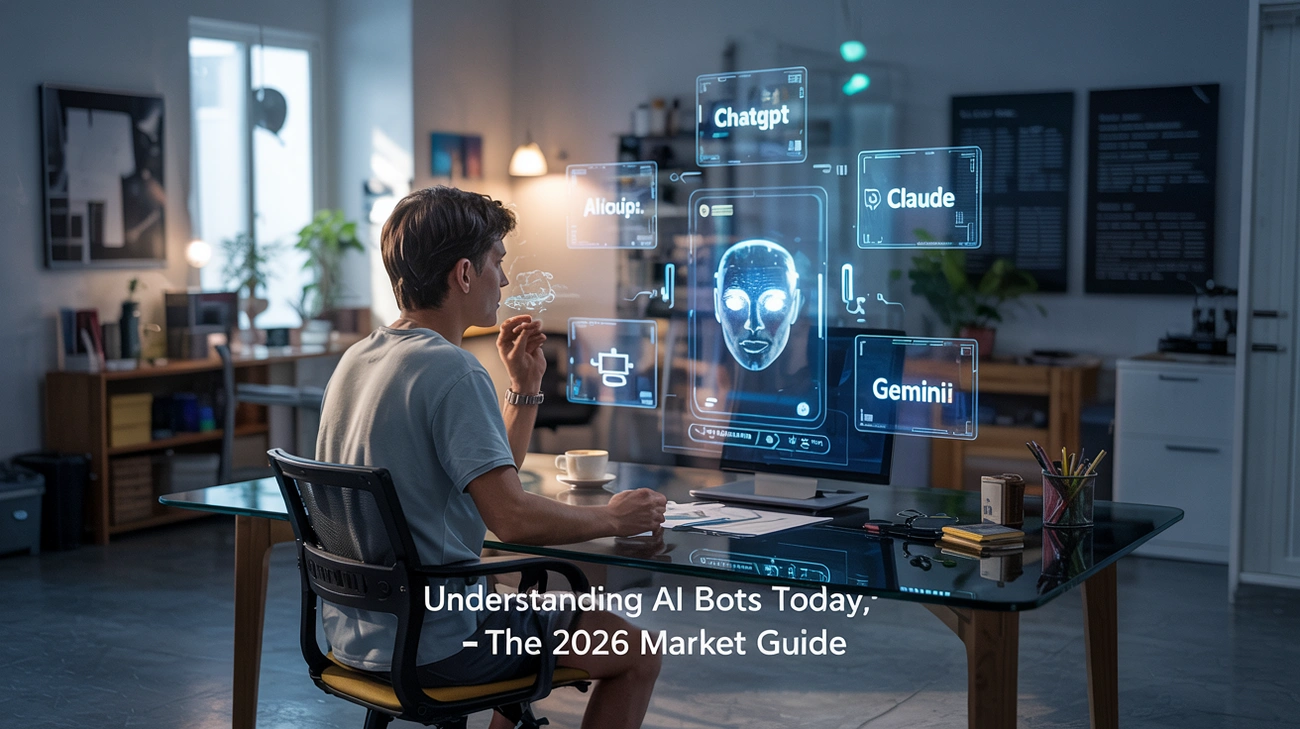
Will AI Writers Replace Human Writers? The Truth About Writing Jobs in 2025
The buzz is impossible to ignore: AI writers are transforming the content landscape. With over 1,200 companies reportedly using these tools, it's a revolution happening in real-time. But beneath the headlines lies a more nuanced question that every writer and content manager is asking: Is this the beginning of the end for human writers, or the dawn of a powerful new partnership?
As a writer who has tested these tools extensively, I've seen them evolve from clumsy text generators to sophisticated assistants. The narrative of total replacement is compelling, but it's often misleading. The real story is more complex and, for adaptable writers, far more promising.
In this article, we'll cut through the hype. We'll explore how AI is genuinely changing the writing process, what the data says about job displacement, and why the most successful writers in 2025 will likely be those who master the art of collaboration with AI.
The Meteoric Rise of AI in Content Creation
"The meteoric rise of generative AI is reshaping the landscape of writing in ways we never imagined." — Dr. Emily Carter, Professor of English, College of Charleston
The shift didn't happen overnight. AI-generated content has become mainstream because the technology behind it—primarily large language models (LLMs) and natural language processing (NLP)—has reached a critical level of sophistication. These systems are no longer just keyword-stuffing robots; they can analyze context, mimic tone, and structure complex information.
The adoption rates tell a compelling story:
71.7% of content marketers use AI for creating outlines.
68% leverage it for content ideation and brainstorming.
Over 58% report a measurable increase in content performance after implementing AI.
This isn't just about speed; it's about augmentation. AI is handling the heavy lifting of data synthesis and initial drafting, freeing human creators to focus on what they do best: adding unique insight, strategic direction, and emotional resonance.
How AI Writers Are Reshaping the Writing Workflow
The impact of an AI writing generator AI writing generator is felt most acutely in the day-to-day workflow. The traditional process of research, outline, draft, and edit is being compressed and supercharged.
Conclusion: The Human Touch is Your Competitive Edge
The question "Will AI replace writers?" is the wrong one to ask. The right question is, "How will writers who use AI replace those who don't?"
By 2025, the writing profession will not have been erased by AI; it will have been redefined. The most successful content creators will be those who leverage AI as a powerful tool to eliminate the grind, not the creativity. They will use it to handle the predictable, thereby freeing themselves to focus on the innovative.
AI can write a competent article, but it cannot build trust with an audience. It can optimize for keywords, but it cannot tell a story that makes a reader laugh or cry. It can process data, but it cannot have a unique, contrarian opinion.
The future of writing is a symphony, not a solo. AI will be the orchestra, handling the complex arrangements with flawless precision. But the human writer will always be the conductor, providing the vision, the soul, and the interpretation that turns noise into music.
Key Takeaways
Collaboration is Key: The future is hybrid, with AI handling efficiency and humans providing creativity and strategy.
New Skills are Required: Writers must develop skills in prompt engineering, AI editing, and strategic thinking to stay relevant.
Efficiency Gains are Real: AI can drastically reduce research and drafting time, boosting overall productivity.
The Human Element is Irreplaceable: Storytelling, emotional connection, and unique perspective remain definitive human advantages.
Adaptability is Survival: Writers who embrace AI as a collaborator will thrive, while those who resist may be left behind.
Frequently Asked Questions (FAQs)
Q1: Will AI completely replace human writers by 2025?
No. While AI will automate many routine writing tasks, it is expected to act primarily as a collaborator. The demand for human skills like creativity, strategic thinking, and emotional intelligence will remain high, though the nature of writing jobs will evolve.
Q2: What kind of writing is most at risk from AI?
Formulaic and data-centric writing is most susceptible. This includes basic product descriptions, straightforward news reports, simple social media posts, and initial SEO-focused blog drafts. Creative writing, complex narrative, investigative journalism, and content requiring a strong, unique voice are far more secure.
Q3: How can writers future-proof their careers?
Embrace AI as a tool. Learn to use it effectively by mastering prompt engineering. Focus on developing skills that AI lacks: deep analytical thinking, interviewing, original storytelling, and building a distinct personal or brand voice. Position yourself as a strategic editor and conductor of AI-generated content.
Q4: Can readers usually tell if content was written by AI?
With advanced models, it's becoming harder. However, AI content often lacks deep insight, personal anecdote, and a truly unique perspective. Poorly edited AI content can feel generic, emotionally flat, or miss nuanced context that a human writer would naturally include.
Q5: What are the ethical considerations of using an AI writer?
Transparency is key. It's ethical to use AI for assistance, but passing off fully AI-generated work as your own original human creation is questionable. Furthermore, always fact-check AI output, as models can "hallucinate" or produce incorrect information. Understanding copyright and plagiarism concerns is also crucial.AI-generated content